





$47.29/Each

Woodworking and Shop Supplies
Stock your shop with woodworking supplies and hardware for building, assembling, finishing, repairing, and maintaining projects from start to finish.
Find everything you need for your shop, including essential woodworking hardware, supplies, and accessories to build, assemble, finish, and maintain projects like a pro. Keep everyday woodworking shop supplies within reach, from abrasives for sanding and surface prep to safety equipment for a better-equipped workspace.
Whether you’re a professional or a hobbyist requiring woodworking hardware supplies from top brands like Blum and Makita, Würth Louis & Company makes it easier and more affordable to source dependable shop supplies for work at the bench, on the jobsite, and throughout the production process.
Your Go-To Woodworking Supply Shop
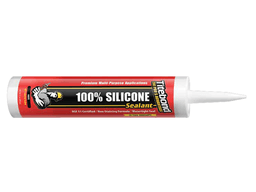
Our woodworking supplies span the entire project workflow, including hardware and materials for cabinetry, furniture, interiors, installation, and everyday shop work. Along with cabinet and furniture hardware, find adhesives, caulking, and sealants for bonding and installation, abrasives for surface preparation, power tools, and other professional shop essentials.
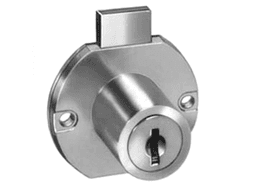
From fabricating cabinets and assembling furniture to installing fixtures and completing final adjustments, we provide hardware for woodworking and shop supplies, including kitchen cabinet hardware, sinks and faucets, lighting, knobs and pulls, slides, office hardware, power tools, and other equipment needed to get the job done. From renovating a home or reorganizing to updating kitchen hardware or sourcing specific drawer hardware, we provide woodworking supplies and tools from trusted brands to keep your tasks on target.
Woodworking Hardware & Supplies FAQs
What supplies do I need for a woodworking shop?
The woodworking supplies you or your shop needs depend on the type of work you do, but most rely on a combination of hardware, adhesives, abrasives, fasteners, tools, and safety equipment. Cabinet and furniture shops may also need drawer slides and systems, hinges, knobs and pulls, lights, and other specialized items. Keeping frequently used supplies in stock helps minimize interruptions during fabrication, assembly, installation, and finishing.
What types of woodworking hardware are available?
Woodworking hardware includes components used to assemble, operate, organize, or finish cabinets, furniture, and other wood projects. Depending on the application, this can include cabinet hinges, drawer slides, knobs, fasteners, connectors, shelf and furniture hardware, kitchen organization systems, and other functional or decorative components.
What abrasives should I use for woodworking?
The right abrasive depends on the material, tool, and stage of the project. Coarser grit abrasive discs or abrasive sheets are generally used for more aggressive material removal, while progressively finer grits help smooth surfaces and prepare wood for finishing. Abrasives are available in different forms, including abrasive belts, discs, sheets, abrasive rolls, plus specialty abrasives, so it’s important to match both the abrasive and grit to the application.
What grit sandpaper should I use for woodworking?
Sandpaper grit should correspond to the amount of material you need to remove and the finish you want to achieve. Coarser grits are useful for initial material removal and leveling, while medium and finer grits progressively smooth the surface and prepare it for finishing. Moving through appropriate grit sequences, rather than making large jumps between grits, can help produce a more consistent surface.
How do I choose between screws, nails, and staples for woodworking?
The best fastener depends on the joint and the amount and direction of force it must withstand. Screws provide strong holding power and can often be removed when needed, while nails can be useful for assembly, trim, and applications where faster installation is beneficial. Staples are commonly used for applications such as upholstery, cabinet backs, panel attachment, and other production work. Material thickness and the requirements of the finished project should guide the choice.
How do I choose the right fastener for a woodworking project?
Choose fasteners and assembly fittings based on the materials being joined, material thickness, required holding strength, and whether the connection will be visible. Screw length, diameter, head style, thread design, and material can all affect performance. Cabinetry, furniture assembly, installation, and specialty applications may each require different fasteners, so matching the hardware to the specific connection is important.