
Choosing the right hardware for cabinets may seem small but it has a big impact on how your space looks and works. This guide breaks down knobs and pulls in a clear way so homeowners, contractors, and interior designers can decide with confidence.
Quick Skim Summary: Knobs vs Pulls on Cabinets
| Feature | Knobs | Pulls |
|---|---|---|
| Best for | Cabinet doors and small drawers | Wide drawers and frequently used cabinets |
| Look and style | Classic, traditional, subtle | Modern, contemporary, bold |
| Grip and comfort | Single point grip | Full hand grip, easier to use |
| Ease of installation | Simple, one hole | Requires precise spacing and alignment |
| Visual impact | Minimal and understated | More noticeable design element |
| Common use case | Upper cabinets, light use areas | Lower cabinets, heavy use areas |
| Ability to mix | Pairs well with pulls on drawers | Pairs well with knobs on doors |
Knobs vs Pulls
Knobs
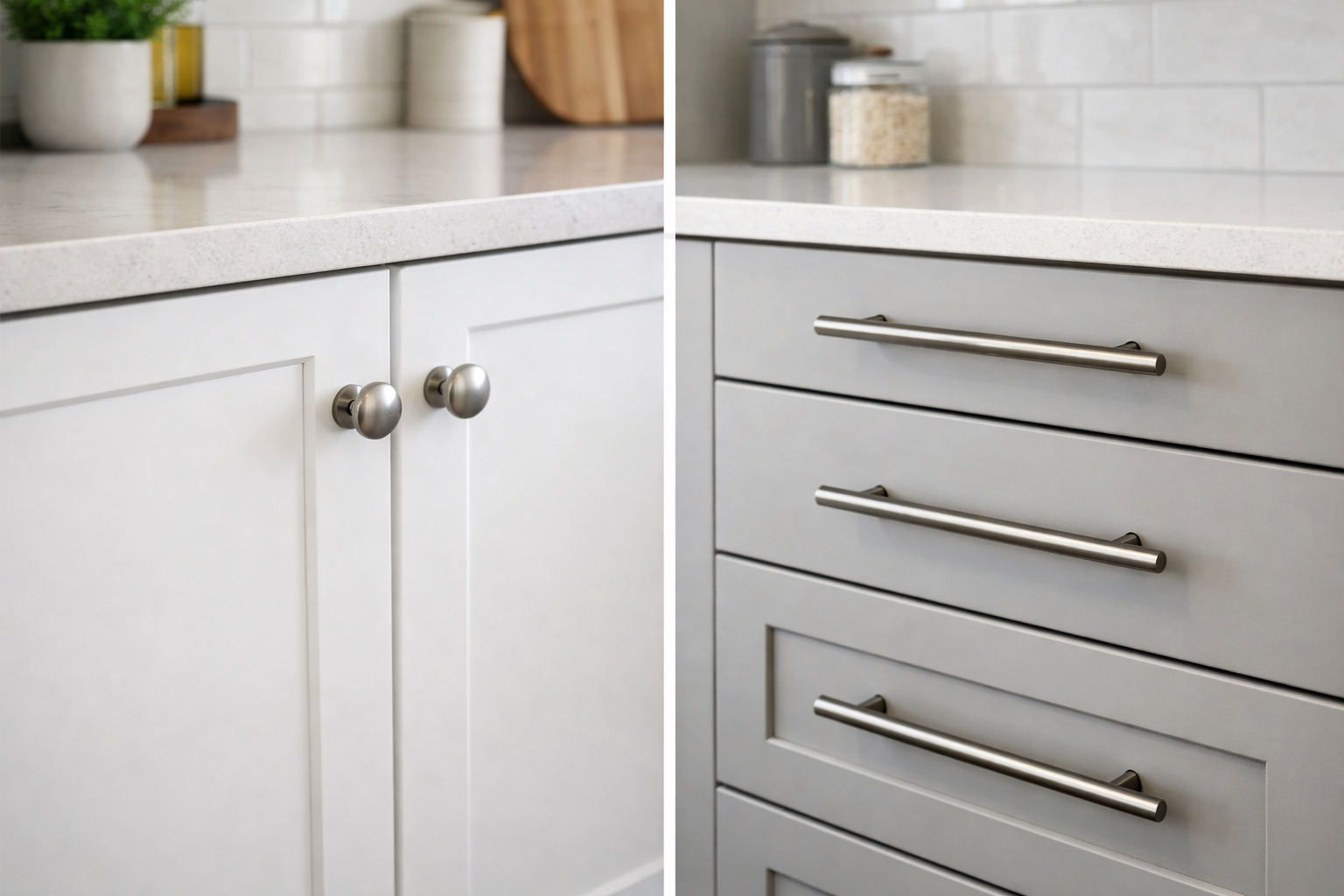
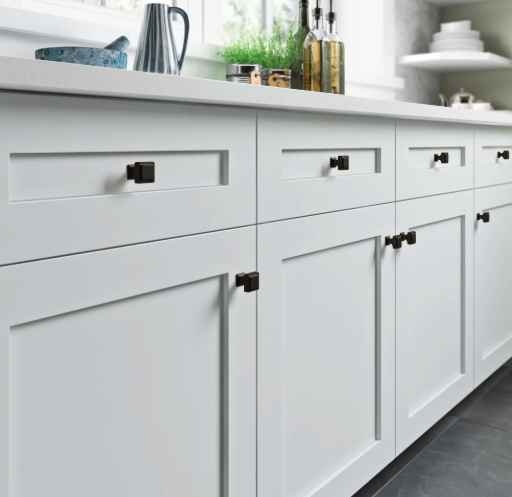
A knob is a single point you grasp to open a door or drawer. It is usually round but can come in many shapes.
Pulls
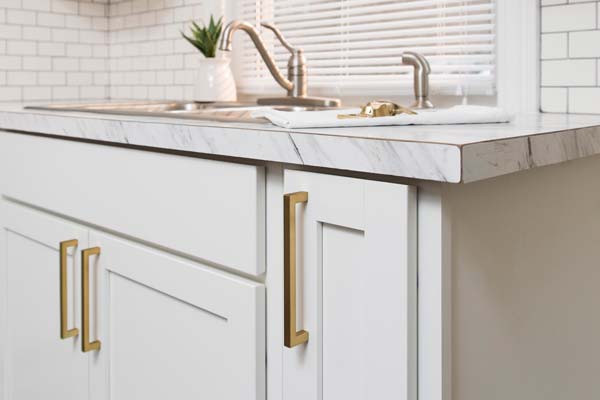
A pull is a longer piece of hardware you grip with fingers. It spans across a section of the drawer or door.
How Knobs and Pulls Affect Style
Classic and Simple
Knobs give a timeless look. They work well in traditional, cottage, and transitional kitchens.
Modern and Streamlined
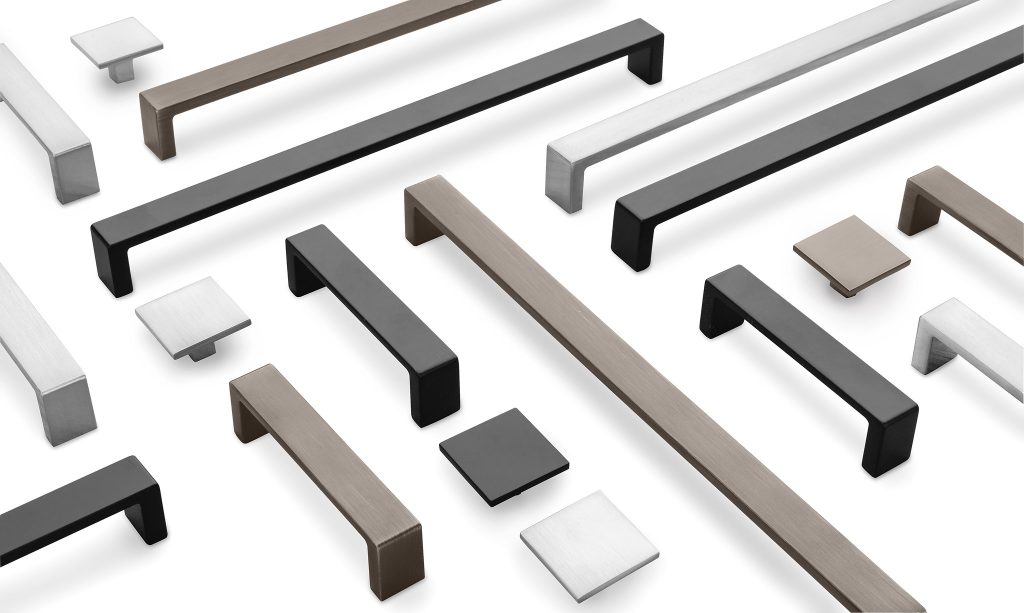
Pulls offer a more modern look. They are popular in contemporary and sleek designs.
Scale and Proportion
Knobs are smaller and subtle. Pulls are larger and can create a focal point when you want the hardware to stand out.
How Knobs and Pulls Affect Function
Grip and Use
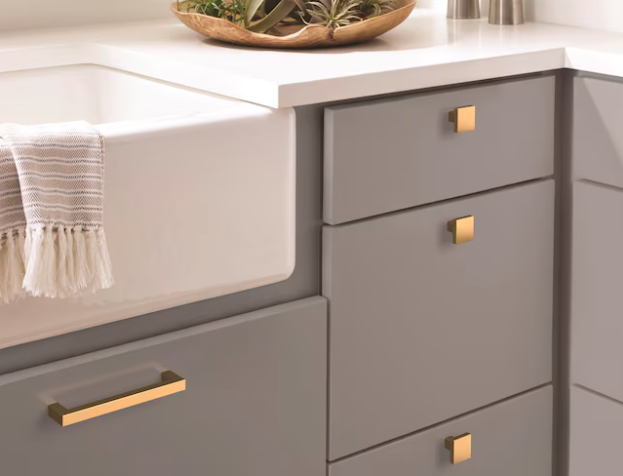
Pulls give more surface area to grab. This can be easier for larger drawers or for people with limited hand strength.
Knobs work well on doors and smaller drawers where a larger handle might feel too big.
Placement and Consistency
Knobs go in one spot. Pulls require consistent spacing and alignment. Pulls can be easier to use on wide drawers because two hands can grab them.
Where Each Makes Sense
Best Uses for Knobs
- Upper cabinet doors
- Small drawers
- Spaces that favor a minimal look
- Traditional and classic kitchens
Best Uses for Pulls
- Wide drawers and deep cabinets
- Modern kitchens
- Areas that see frequent use
- When ease of access matters
How to Choose Between Knobs and Pulls
Measure First
Look at the cabinet size. Larger drawers benefit from pulls. Smaller doors suit knobs.
Match Your Style
If your design leans classic or warm, knobs fit well. If it leans sleek and modern, pulls support that look.
Think About Use
Consider how people will use the space. Pulls are easier to grab with a full hand. Knobs work well for light use.
Mix and Match with Purpose
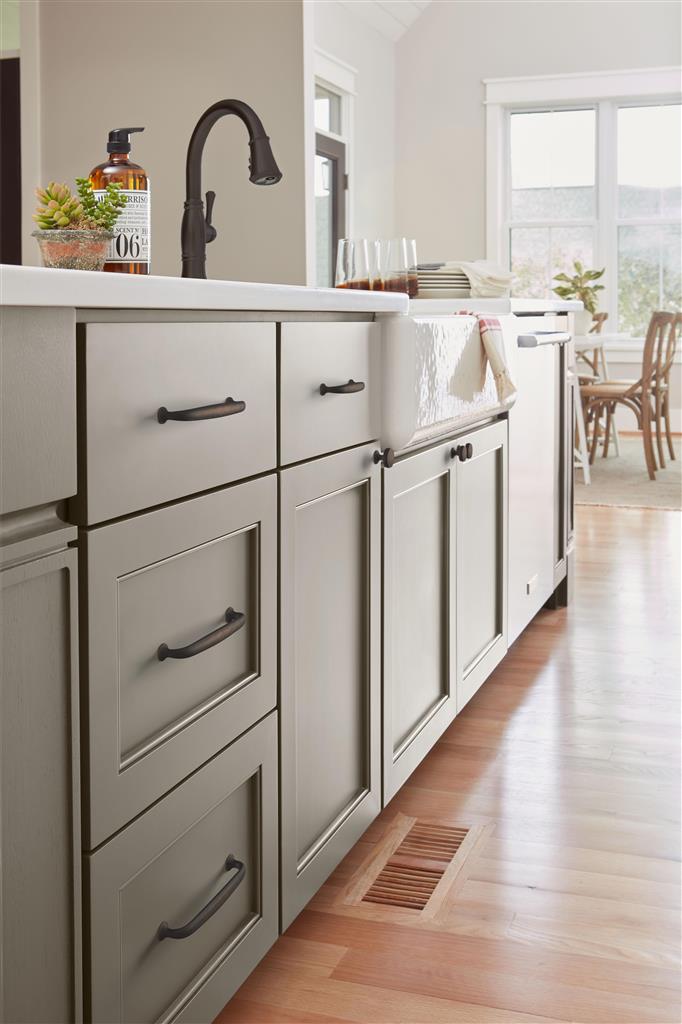
A common approach is knobs on upper cabinets and pulls on lower drawers. This keeps a balanced look and helps function.
Material and Finish Matters
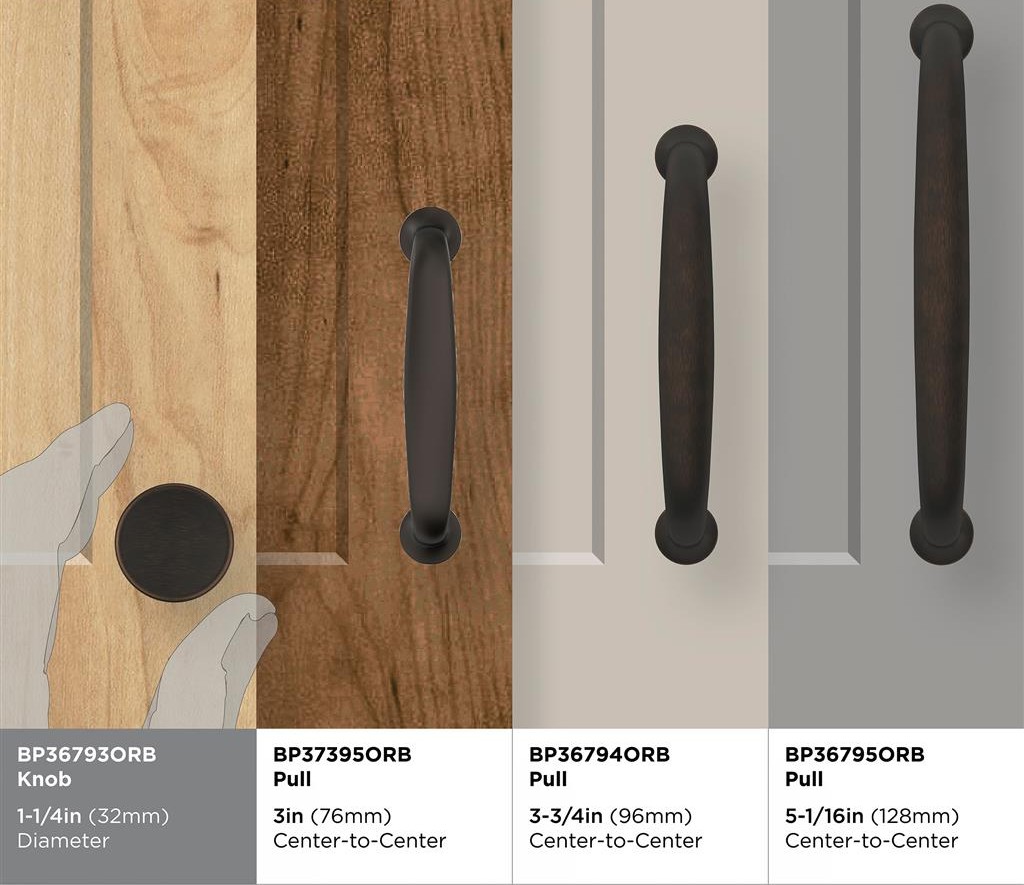
Cabinet hardware comes in many materials and finishes. Choose something that complements your cabinets and overall design. Brushed nickel and oil rubbed bronze are popular choices. Matte black fits modern spaces. Brass brings warmth.
Final Tips for Homeowners, Contractors, and Designers
- Test grip comfort before buying.
- Keep spacing and alignment precise for pulls.
- Consider cabinet thickness and overlay before choosing hardware.
- Choose finishes that coordinate with other fixtures.
Conclusion: Knobs vs Pulls on Cabinets
Knobs and pulls each have clear strengths. Knobs keep design simple and classic. Pulls add function and modern style. By assessing style goals, cabinet sizes, and how people use the space you can choose hardware that looks great and works well.
Need help selecting hardware for your next project? Explore options at Würth Louis and Company.