

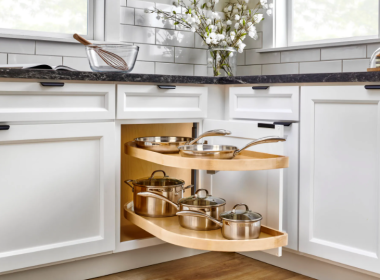
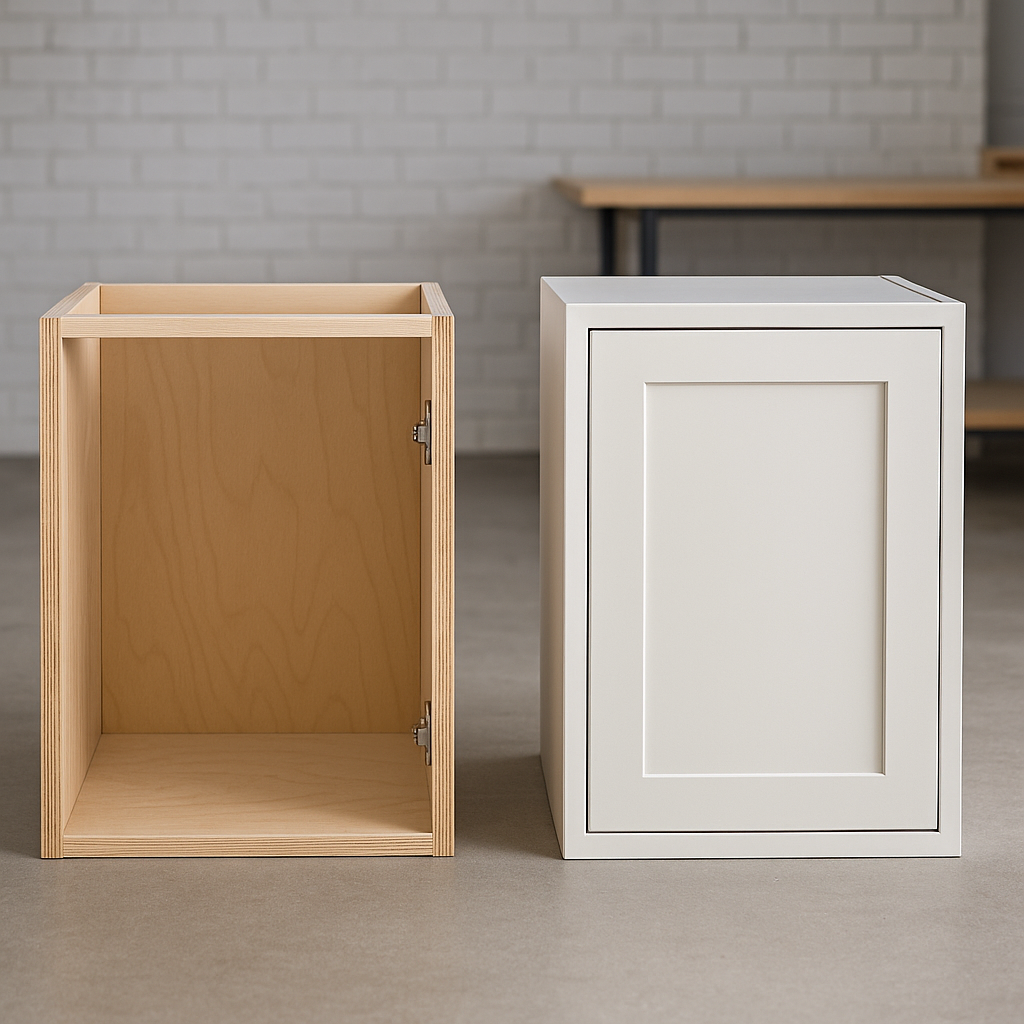
The main difference between MDF and plywood cabinets is that plywood is stronger, more durable, and more moisture resistant, while MDF delivers a smooth surface ideal for painted doors and detailed profiles. Cabinetmakers should choose based on use case, environment, and customer expectations.
This guide breaks down which material to use, when to use it, and how to deliver premium results at any budget level.
Quick Summary Table: MDF vs Plywood Cabinets
| Factor | MDF | Plywood |
|---|---|---|
| Strength | Moderate | High |
| Moisture resistance | Low | High |
| Screw holding | Weaker | Strong |
| Weight | Heavier per sheet | Lighter |
| Machining | Excellent for profiles | Splinter risk |
| Finish | Best for paint | Needs banding |
| Best for | Painted doors and interior parts | Cabinet boxes and load areas |
MDF: Strengths, Weaknesses, & Use Cases
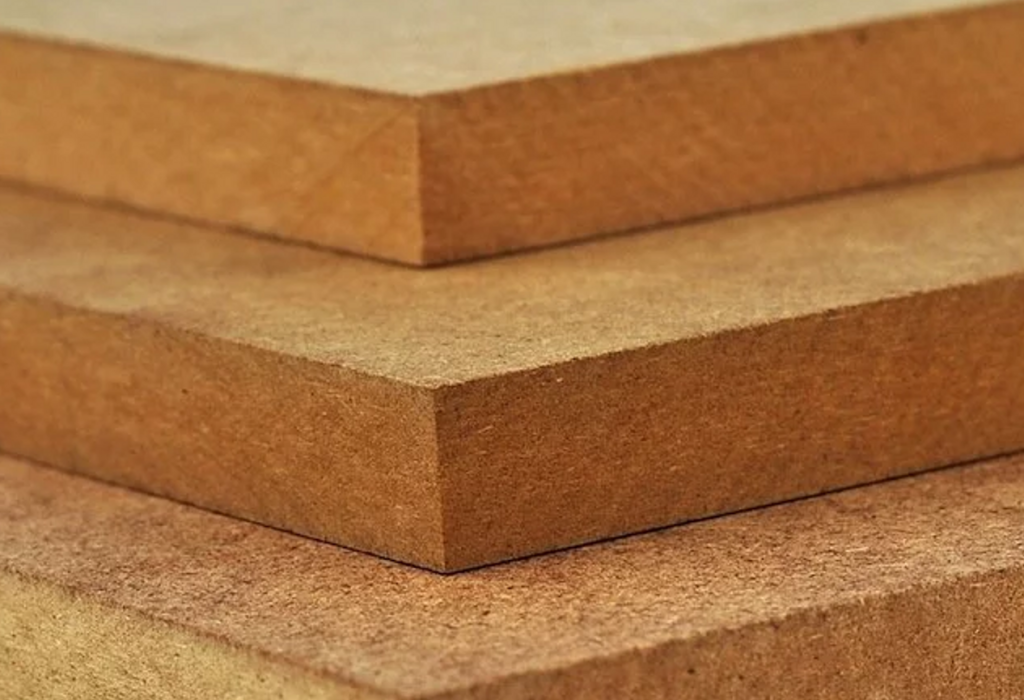
Medium density fiberboard (MDF) blends refined wood fibers with resin then compresses the mixture under high heat. This creates a dense and uniform sheet that has no grain direction.
Strengths
- Smoothest paint grade surface in cabinetry
- Ideal for routed profiles, shaker styles, and decorative edge details
- Flat and consistent structure reduces sanding time and defects
- Cost effective for high finish quality
Weaknesses
- Poor moisture resistance and swelling if edges are exposed
- Screw threads can strip when under stress
- Heavy and can crack if mishandled
- Lower impact resistance than plywood
Best Applications
- Painted cabinet doors and drawer fronts
- Applied panels and face frames
- Interior partitions in dry spaces
When used correctly, MDF gives premium cosmetics at a reasonable price point.
Plywood: Strengths, Weaknesses, & Use Cases
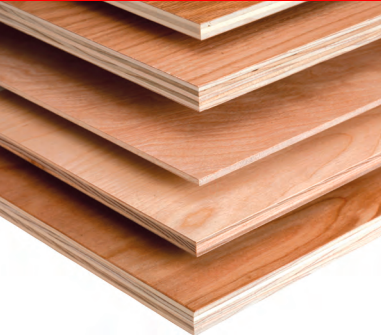
Plywood bonds thin layers of veneer with alternating grain direction. This design improves strength, stability, and fastening reliability.
Strengths
- High structural strength for load bearing
- Superior screw holding for hinges and drawer slides
- Moisture resistance ideal for kitchens and baths
- Lighter weight improves handling and installation
Weaknesses
- Higher material cost
- Exposed edges require edge banding or veneer
- Lower grade plywood can include voids
Best Applications
- Base and wall cabinet boxes
- Shelving with long spans or heavy loads
- High humidity environments
- Commercial and premium residential cabinetry
Plywood is the long term durability leader in the cabinet core category.
MDF vs Plywood Cabinets: Head to Head
Durability
Plywood resists sagging and impact damage. MDF works fine in protected areas but edges are vulnerable.
Moisture and Humidity
Plywood handles steam from dishwashers and cooking. MDF needs protection from spills and leaks.
Hardware Holding
European hinges, pullout slides, and organizers depend on strong core material. Plywood gives reliable fastening over time. MDF can fail if installers over tighten.
Appearance and Finishing
MDF leads the paint grade category. Its lack of grain means crisp shaker lines and smooth face finishes. Plywood grain patterns may telegraph unless veneered.
Machining and Fabrication
MDF excels in routed details and CNC profiling. Plywood requires sharp cutters and support to prevent tear out.
Weight
MDF is heavier which increases handling difficulty. Plywood supports faster install on the jobsite.
Cost and ROI
MDF is the lower cost panel. Plywood often lowers total installed cost due to fewer repairs and stronger longevity under load.
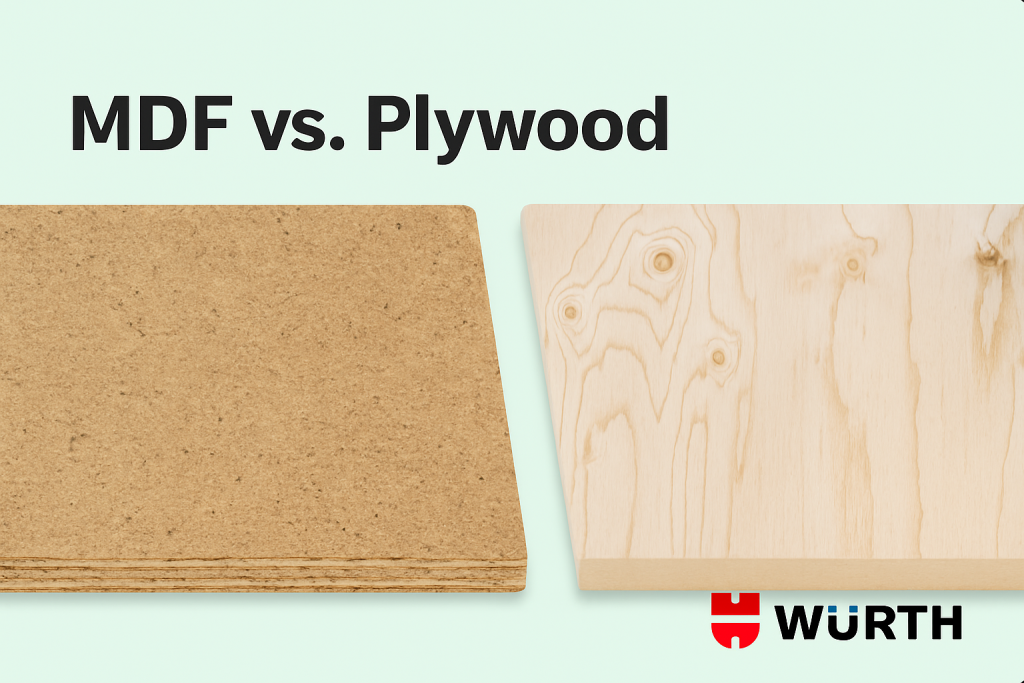
Which Material Should You Choose: MDF vs Plywood Cabinets
Professional woodshops benefit when each material plays its best role.
| Project Type | Best Material | Why |
|---|---|---|
| Kitchens | Plywood boxes + MDF doors | Long life and flawless paint |
| Bathrooms | Plywood | Moisture protection |
| Painted shaker style | MDF | Sharp profile and smooth finish |
| Commercial millwork | Plywood | Strong hardware support |
| Budget builds | MDF selectively | Cost effective cosmetics |
| Premium residential | Plywood structure | Brand reputation and ROI |
Clients judge doors first and longevity second. Deliver both and the job sells itself.
Final Recommendation for Woodworking Professionals
In 2026, the winning cabinet strategy is a hybrid approach:
- Use plywood for cabinet boxes, shelving, and all load bearing parts
- Use MDF for painted doors, drawer fronts, and interior finishing elements
This combination delivers:
- Strong installation integrity
- Premium painted appearance
- Competitive pricing
- Fewer warranty claims
Your material decision drives your brand reputation. Shops that pair plywood strength with MDF finish quality stay competitive and grow through referrals.