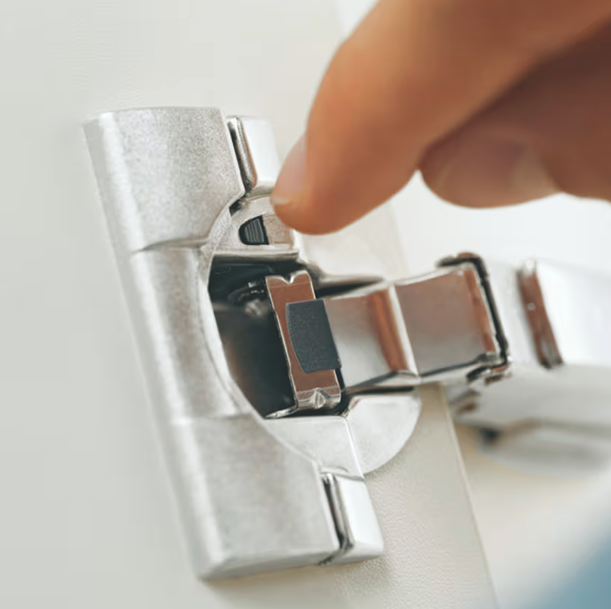

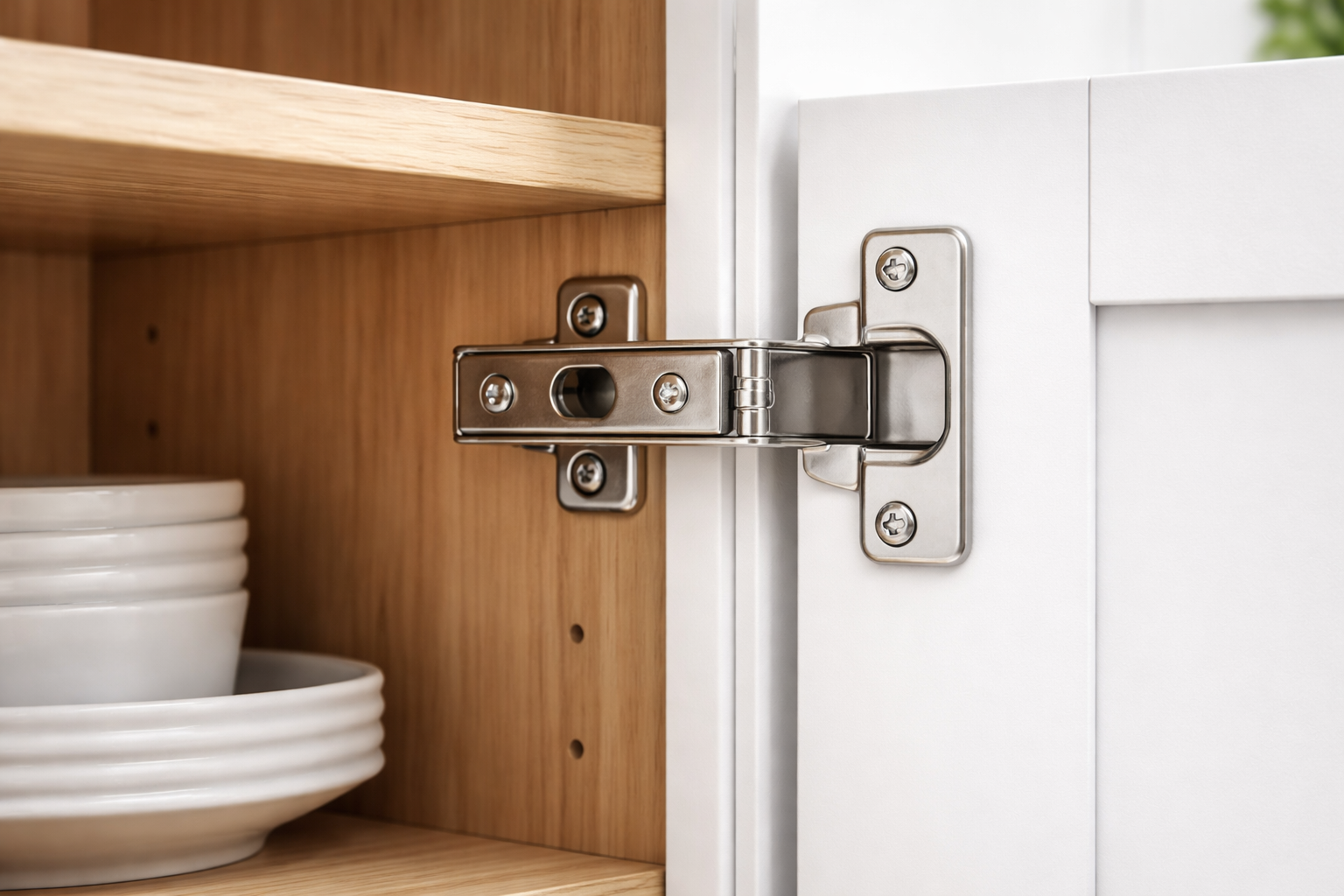
Soft close hinges are designed to control cabinet door movement so doors close smoothly and quietly. Over time, normal use can cause cabinet doors to shift. When this happens, doors may rub, sit unevenly, slam shut, or fail to close fully. The good news is that most soft close hinge problems can be fixed with simple adjustments.
This guide explains how to adjust soft close hinges step by step. With a few careful turns of a screwdriver, you can restore proper alignment and smooth closing without replacing hardware or calling a professional.
Quick Summary: How to Adjust Soft Close Hinges
| What you’re adjusting | What it changes | When to use it | Quick tip |
|---|---|---|---|
| Side to Side | Moves the door left or right | Doors rub, overlap, or gaps look uneven between doors | Turn in small increments, then close the door to check |
| Up and Down | Raises or lowers the door | Door sits too high or too low, misaligned with nearby doors | Slightly loosen mounting screws, reposition, then tighten |
| In and Out | Moves the door in or out for flush fit | Door sticks out or sits too deep in the cabinet | Adjust until the door sits flush with the cabinet face |
| Soft Close Tension (if available) | Controls closing speed | Door slams or won’t close fully | Always fix alignment first before changing tension |
| Troubleshooting | Corrects persistent issues | Door still slams, bounces open, or won’t align evenly | Adjust both hinges evenly and recheck flushness |
| Final Check | Confirms everything is set | After all adjustments | Open and close the door 5 to 10 times and fine tune |
How Soft Close Hinges Work
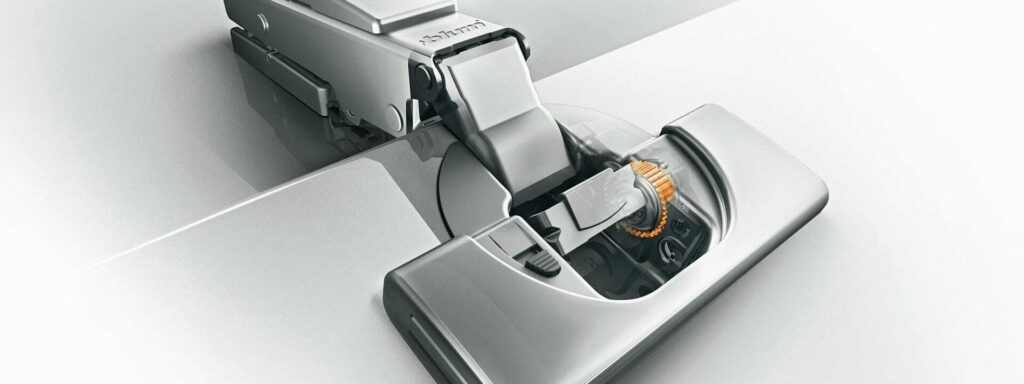
Soft close hinges combine two functions. The hinge controls door movement and alignment. The soft close mechanism slows the door as it shuts, preventing slamming.
When a door is properly aligned, the soft close feature works as intended. When a door is misaligned, the soft close mechanism may not engage correctly. This can cause doors to slam, bounce open, or stop short of closing. Proper cabinet hinge adjustment is essential for soft close hinge performance.
Identify the Adjustment Screws
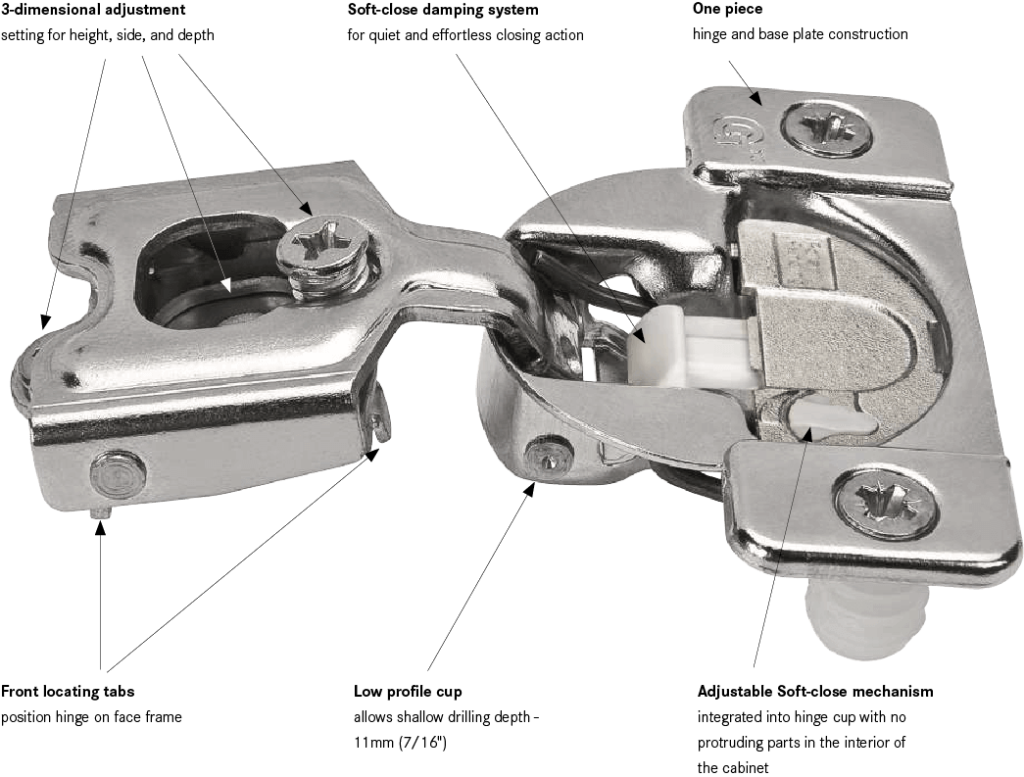
Most modern soft close hinges include three adjustment screws. Each screw controls a different aspect of door position.
Side to Side Adjustment
This screw moves the door left or right. It is used to fix uneven gaps between doors or prevent doors from rubbing against each other.
Up and Down Adjustment
This adjustment raises or lowers the door. It corrects doors that hang too high or too low compared to nearby doors.
In and Out Adjustment
This screw moves the door closer to or farther from the cabinet box. It controls how flush the door sits when closed.
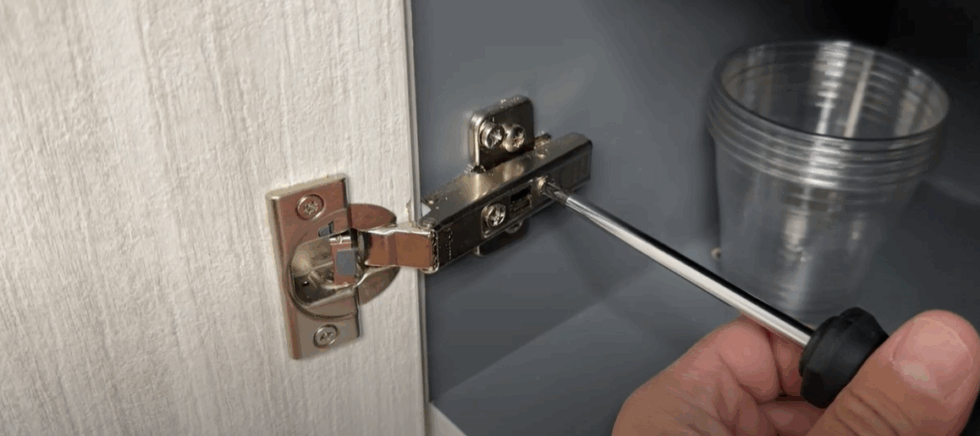
These screws are typically located on the hinge arm or mounting plate inside the cabinet. Most hinges allow adjustment with the door still attached.
How to Adjust Cabinet Door Alignment
Before adjusting soft close tension, always start with door alignment. Alignment issues are the most common cause of closing problems.
Fix Rubbing Doors
If cabinet doors rub against each other or the cabinet frame, adjust the side to side screw. Turn the screw slightly to move the door away from the contact point. Make small turns and close the door after each adjustment to check progress.
Fix Uneven Gaps
Uneven gaps often mean the door needs vertical adjustment. Slightly loosen the mounting screws that hold the hinge to the cabinet. Move the door up or down until gaps look even, then retighten the screws securely.
Fix Doors That Sit Too Far In or Out
If a door sticks out or sits too deep in the cabinet, adjust the in and out screw. Turn the screw until the door sits flush with the cabinet face or frame. Check alignment from the side to confirm a consistent reveal.
Always adjust in small increments. Large turns can overcorrect and create new problems.
How to Adjust Soft Close Tension
Not all soft close hinges allow tension adjustment. Some hinges have a built in switch or dial that controls damping strength. Others rely entirely on proper alignment.
If Doors Slam
If your hinge includes a soft close tension adjustment, increase the damping setting slightly. This slows the door during the final closing phase. Test the door after each adjustment.
If there is no tension adjustment, recheck alignment. A misaligned door often prevents the soft close mechanism from engaging.
If Doors Do Not Close Fully
If the door stops short or feels resistant, reduce the soft close tension if possible. Too much damping can prevent the door from closing completely.
Also check that the door is not sitting too far in or out. Even small alignment issues can interfere with soft close hinge tension.
Troubleshooting Common Problems
Door Still Slams
If the door still slams after adjustment, confirm that the hinge includes a soft close feature. Some cabinets mix soft close and standard hinges. Also check that all hinges on the door are adjusted evenly.
Door Bounces Back Open
This usually indicates excessive soft close tension or improper alignment. Reduce tension slightly and confirm that the door sits flush against the cabinet when closed.
Door Will Not Align Evenly
If one hinge is adjusted differently from the others, the door may twist. Adjust all hinges on the door gradually and evenly. Start with the top hinge, then match adjustments on the bottom hinge.
Common Mistakes to Avoid
Avoid turning adjustment screws too far at once. Small adjustments produce better results.
Do not loosen all screws at the same time. This can cause the door to sag or fall out of alignment completely.
Never force the hinge past its adjustment range. If a hinge will not move further, stop and reassess the issue.
Final Check and Maintenance Tips
After adjustments, open and close the door several times. Confirm that the door moves freely, closes fully, and aligns evenly with surrounding doors. Check gaps from multiple angles.
Recheck hinges every few months in high use areas like kitchens and bathrooms. Seasonal humidity changes and daily use can gradually affect alignment.
How to Adjust Soft Close Hinges Successfully
To adjust soft close cabinet hinges, start with alignment before touching soft close tension. Identify the correct adjustment screws, make small changes, and test often. Most cabinet hinge adjustment issues can be solved in minutes with basic tools and careful attention.
With proper adjustment, soft close hinges restore quiet operation, even gaps, and a clean finished look.